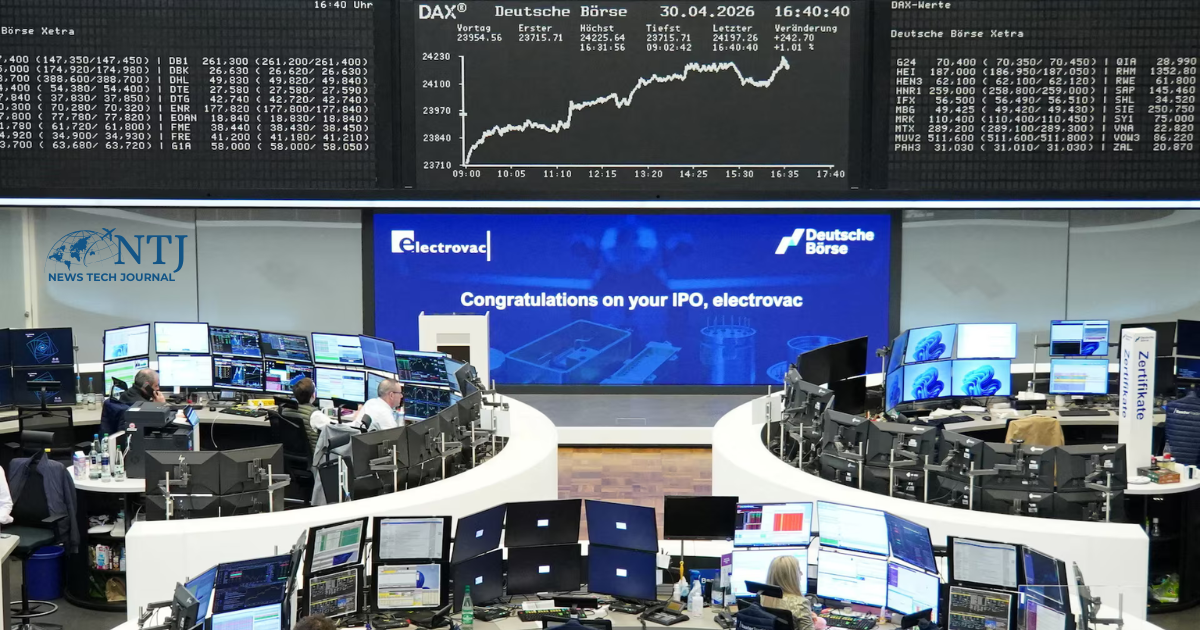
Global financial markets reacted sharply after reports emerged that a U.S. warship was hit by missiles, triggering geopolitical concerns and investor uncertainty. The U.S. dollar surged, while European stocks and bonds declined, reflecting a classic risk-off sentiment across global markets. Investors rushed toward safer assets, causing volatility in currencies, equities, and bond markets.
This development highlights how geopolitical tensions can instantly influence financial markets, impacting businesses, investors, and global trade dynamics.
Dollar Strengthens as Safe-Haven Demand Increases
The U.S. dollar rise is largely driven by its status as a global safe-haven currency. During times of uncertainty, investors tend to move capital into the dollar, leading to increased demand and appreciation.
Key reasons behind the dollar surge include:
- Rising geopolitical tensions
- Increased risk aversion among investors
- Strong liquidity and global trust in the U.S. economy
- Shift away from riskier assets like equities
As a result, currency markets saw a noticeable shift, with the dollar gaining against major global currencies.
European Stocks Fall on Market Uncertainty
At the same time, European stock markets declined as investors reacted to the news with caution. Market participants feared potential escalation, which could disrupt global trade and economic stability.
Major impacts on European equities:
- Decline in investor confidence
- Selling pressure across major indices
- Weak performance in banking and industrial sectors
- Increased volatility in stock markets
Investors are particularly concerned about how geopolitical instability could affect energy supply chains and business operations across Europe.
Bond Markets React to Rising Risk
European bond markets also faced pressure, with bond prices falling and yields rising. This indicates that investors are adjusting their portfolios in response to uncertainty.
Key factors influencing bond market movement:
- Reduced demand for European bonds
- Shift toward U.S. Treasury securities
- Concerns about inflation and interest rates
- Market repositioning due to geopolitical risks
The decline in bonds suggests a broader market adjustment rather than a sector-specific issue.
Impact on Global Economy and Businesses
The combination of a stronger dollar and falling European markets can have widespread implications for businesses and global trade.
1. Increased Import Costs
A stronger dollar makes imports more expensive for other countries, potentially impacting global supply chains.
2. Pressure on Emerging Markets
Emerging economies often face challenges when the dollar rises, including capital outflows and currency depreciation.
3. Business Uncertainty
Companies may delay investments due to market volatility and geopolitical risks.
4. Energy and Commodity Fluctuations
Geopolitical tensions often influence oil and commodity prices, affecting industries worldwide.
Investor Strategy During Market Volatility
In times of uncertainty, investors typically shift their strategies to minimize risk and protect capital.
Common strategies include:
- Investing in safe-haven assets like the U.S. dollar
- Diversifying portfolios across sectors
- Reducing exposure to high-risk equities
- Monitoring geopolitical developments closely
Conclusion
The recent reports of a U.S. warship being hit by missiles have triggered a significant reaction in global markets. The rise in the U.S. dollar, along with the decline in European stocks and bonds.